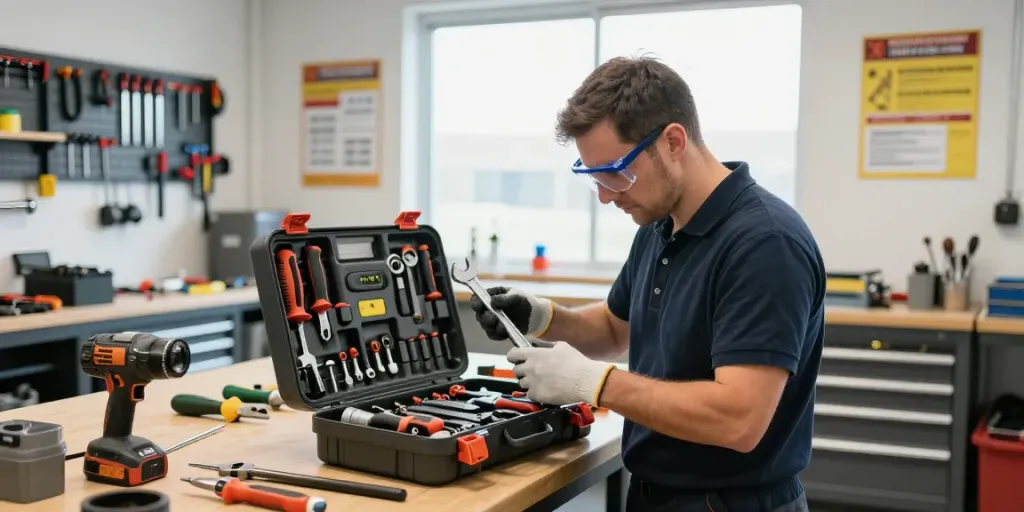
Understanding Beta Tools: An Overview
Beta tools are synonymous with quality and precision in the realm of professional tool manufacturing. Renowned for their effective design and ergonomic benefits, Beta tools cater to a vast range of industries and applications. Whether you're in the automotive sector, construction, or engaged in DIY projects, choosing the right tools can significantly impact your efficiency and productivity. In this article, we will explore everything you need to know about Beta tools, their key features, and how they can enhance your work experience. When exploring options, beta tools provide comprehensive insights that aid in making informed decisions.
What Are Beta Tools?
Beta tools are a line of professional-grade tools manufactured by Beta Utensili, an Italian company recognized for its commitment to quality and innovation. With a catalog that spans over 16,000 products, Beta's offerings include hand tools, power tools, workshop equipment, and accessory products. Their tools are specifically designed to meet the rigorous demands of professionals across various industries, ensuring reliability, comfort, and superior performance.
Key Features and Benefits of Beta Tools
When it comes to selecting tools for professional use, several factors determine the quality and reliability of the products. Beta tools are known for their:
- Durability: Built from high-grade materials, Beta tools are manufactured to withstand heavy usage and harsh working conditions.
- Precision: Many Beta tools feature advanced engineering designs that ensure high accuracy and performance.
- Ergonomic Design: Comfort is crucial for extended use; Beta tools are designed to reduce strain and enhance grip.
- Wide Range of Products: From hand tools to power tools, Beta provides a comprehensive selection tailored to meet various professional needs.
The Importance of Quality Tools in Professional Settings
In any professional environment, the quality of tools used can directly affect the outcomes of projects. High-quality tools not only enhance productivity but also ensure safety and efficiency. For instance, in the automotive industry, using quality tools can prevent damage to components and improve the overall speed of service. Similarly, in construction, relying on durable and precise tools can enhance the quality of work while minimizing errors.
Choosing the Right Beta Tools for Your Needs
Selecting the appropriate tools is crucial for maximizing efficiency and achieving optimal results. Understanding your specific requirements can help you make informed choices that align with your professional needs.
Assessing Your Requirements: Hand Tools vs. Power Tools
The first step in selecting Beta tools is evaluating whether your tasks require hand tools or power tools. Hand tools are generally lighter, easier to control, and often require less maintenance. They are ideal for precision tasks, such as tightening bolts or performing delicate repairs. On the other hand, power tools, such as drills and saws, are designed for heavier workloads and can drastically reduce the time required to complete a task. Understanding the nature of your projects will guide your tool selection process.
Common Applications of Beta Tools in Various Industries
Beta tools have a wide array of applications in numerous industries:
- Automotive: From tire repair to engine assembly, Beta tools are essential for mechanics who require reliability and precision.
- Construction: Builders utilize Beta tools for framing, cutting, and assembling structures, where accuracy and durability are paramount.
- Manufacturing: In manufacturing, Beta tools enhance assembly lines with effective tools designed for high-volume production.
Best Practices for Tool Selection and Usage
To maximize the efficiency and longevity of your Beta tools, adhere to some best practices:
- Understand the specific requirements of your tasks to select the appropriate tools.
- Regularly inspect tools for signs of wear and tear, replacing them as necessary to avoid breakdowns.
- Follow manufacturer guidelines for usage and maintenance to ensure optimal performance.
Maintaining Your Beta Tools for Longevity
Maintaining your tools is critical to ensuring their longevity and performance. Proper care can prevent costly repairs and replacements, allowing you to get the most out of your investment in Beta tools.
Cleaning and Care Tips for Hand Tools
Hand tools require regular cleaning to prevent rust and deterioration. After each use, wipe down your tools with a clean cloth to remove dirt and moisture. For tools with moving parts, such as pliers or wrenches, apply light oil to prevent rust and ensure smooth operation. Store them in a dry place, preferably in a toolbox with adequate padding to avoid damage.
Essential Maintenance for Power Tools
Power tools require specific maintenance practices to ensure they remain operational. Always read the user manual for maintenance guidelines. Regularly check the power cords for frays and ensure that drill bits remain sharp. Additionally, keep the mechanical parts free of debris, and consider professional servicing if tools begin to show operational issues.
When to Replace Your Beta Tools: Signs to Look For
Recognizing when to replace tools is essential for safety and efficiency. Signs that you may need to replace your Beta tools include:
- Visible damage, such as cracks or bends.
- Decreased performance, such as struggling to complete tasks that were previously easy.
- Frequent breakdowns that require repairs.
Innovative Techniques for Using Beta Tools Effectively
As industries evolve, so do the techniques for using tools. Adaptation and learning new methods can significantly enhance the productivity of Beta tools in various settings.
Advanced Techniques for Maximizing Tool Performance
To get the most out of your Beta tools, consider implementing advanced techniques. For example, using the right torque specifications when fastening components can prevent stripping and damage. Additionally, exploring attachments or extensions for power tools can expand their capabilities and adapt them for diverse tasks.
Real-world Applications: Case Studies of Successful Tool Usage
Numerous professionals have experienced increased productivity by effectively integrating Beta tools into their workflows. For instance, an automotive repair shop reported a 30% reduction in service times after switching to Beta tools, attributing increased efficiency to the ergonomic designs and superior performance of their tool selection.
Utilizing Beta Tools for DIY Projects and Repairs
Beta tools are not limited to professional use; they also cater to DIY enthusiasts. For home projects, a basic toolkit from Beta can enable individuals to handle a variety of tasks, from simple repairs to complex installations, ultimately fostering a sense of accomplishment.
The Future of Beta Tools and Industry Trends for 2026
As we look towards 2026, the tool industry continues to evolve, integrating new technologies and responding to market demands. Understanding these trends can help professionals better prepare for future needs.
Emerging Technologies in Tool Design and Functionality
The advent of smart tools is set to revolutionize how we work. Devices that integrate IoT capabilities can provide real-time data on tool performance and maintenance needs, allowing for proactive care and usage insights. These innovations will further enhance the reliability and functionality of Beta tools.
Market Trends Influencing the Future of Professional Tools
Market trends indicate a growing demand for eco-friendly tools and sustainable manufacturing practices. Beta tools are likely to respond to this demand by prioritizing sustainability in their production processes, including using recycled materials and reducing waste.
The Role of Sustainability in Tool Manufacturing
With an increasing focus on sustainability, manufacturers are investing in practices that minimize environmental impact. Beta tools will likely incorporate sustainable materials and production methods, which will appeal to eco-conscious consumers.
What to Expect from Beta Tools in the Coming Years
The future of Beta tools is promising, with continuous innovations expected in design, functionality, and sustainability practices. For more information, Mister Worker offers valuable insights. Customers can anticipate tools that not only enhance performance but also contribute positively to the environment, meeting the evolving needs of professionals and DIY enthusiasts alike.