
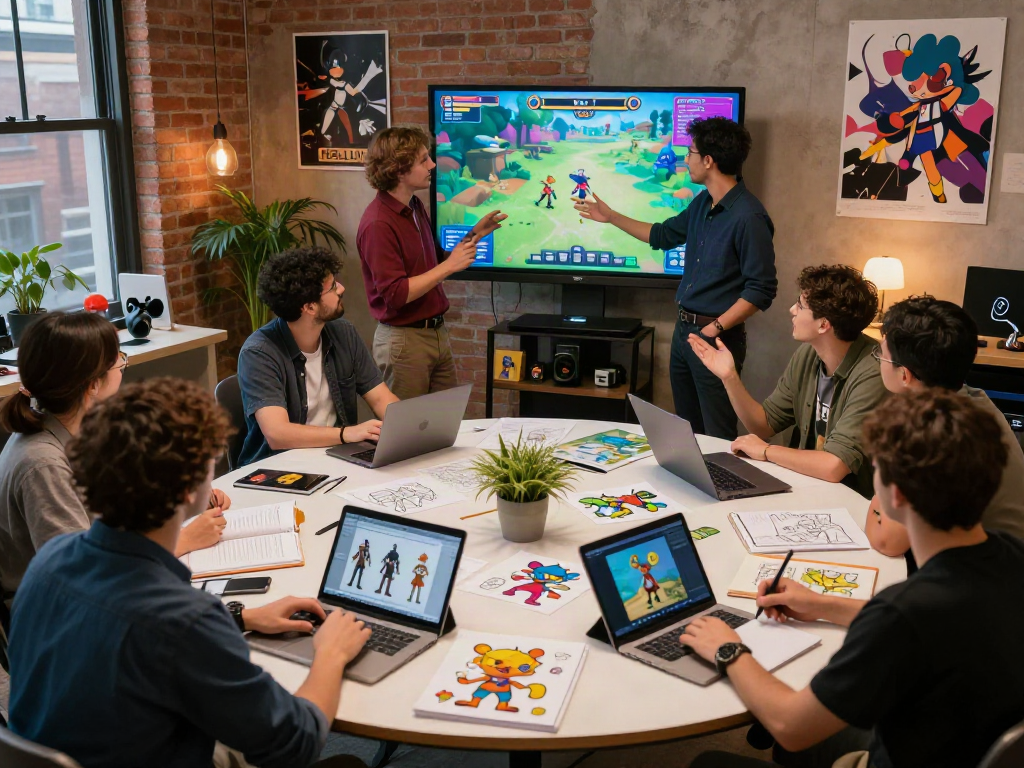
The Evolution of Adult Game Development
The adult gaming industry has undergone a remarkable transformation over the years, shifting from niche content to a vibrant sector that intersects with mainstream entertainment. As technology evolves, so do the preferences and expectations of consumers. In this article, we will explore the fascinating journey of adult game development, highlight current technologies at play, and make predictions about the future of this dynamic industry. For a comprehensive look at your options, adult game platforms offer insights into current trends and market opportunities.
History and Trends in Adult Gaming
To understand the current landscape of adult gaming, it is essential to look back at its history. The industry began in the 1980s with simple text-based games and pixelated visuals. Over the years, adult games evolved into more sophisticated forms, integrating better graphics, complex narratives, and diverse gameplay mechanics. The introduction of the internet in the 1990s allowed for the proliferation of online adult games, leading to a significant shift in accessibility and audience engagement.
Today, the adult gaming industry reflects broader cultural trends, including the rise of inclusivity and diversity. Games that cater to different sexual orientations and preferences are becoming more mainstream, with developers consciously avoiding stereotypes and promoting positive representation. This shift not only broadens the audience base but also enhances the overall gaming experience by providing more relatable content.
Current Technologies Shaping Games
As we move deeper into the 21st century, several technological advancements are reshaping the adult gaming landscape. Virtual reality (VR) and augmented reality (AR) are leading the charge, providing immersive experiences that engage players in ways previously thought impossible. With VR, players can explore adult environments in 360 degrees, enhancing interactivity and realism.
Moreover, artificial intelligence (AI) is playing a pivotal role in personalizing gameplay. AI-driven algorithms can analyze player behavior and preferences, allowing for tailored experiences that cater to individual tastes. This technology not only improves user satisfaction but also drives player retention, which is crucial in an industry characterized by high competition.
Predictions for 2026 and Beyond
Looking ahead, the adult gaming industry is poised for significant growth, driven by technological advancements and evolving consumer preferences. By 2026, we can expect a deeper integration of immersive technologies, such as mixed reality gaming, which blends the physical and digital worlds. This could open new avenues for gameplay, allowing for unique interactions that enhance satisfaction and engagement.
Furthermore, the rise of blockchain technology may bring about new monetization models in adult gaming. By enabling true ownership of in-game assets and offering decentralized platforms, blockchain could revolutionize how developers and consumers approach transactions and content usage within the adult gaming space. As the industry matures, the need for responsible and ethical game development will become even more pronounced, prompting developers to prioritize inclusive representation and player safety.
Understanding Your Audience
To successfully navigate the adult gaming market, it is crucial to understand the demographics and preferences of your target audience. This understanding not only informs game design but also shapes marketing strategies and community engagement efforts.
Identifying Target Demographics for Adult Games
The adult gaming audience is diverse, encompassing a wide range of age groups, genders, and sexual orientations. A significant portion of adult gamers are young adults aged 18-34, who are familiar with digital entertainment and likely to engage with interactive content. However, older demographics, particularly those aged 35 and above, are showing an increasing interest in adult gaming, driven by the desire for novel experiences and sexual exploration.
Recognizing these trends allows developers to craft games that resonate with their audience’s preferences. For instance, games that incorporate storylines or characters that reflect diverse sexual identities can attract a broader player base while fostering inclusivity.
Consumer Preferences and Behavior Insights
Understanding consumer behavior in the adult gaming sector presents both opportunities and challenges. Adult gamers typically prefer games with engaging narratives, customizable characters, and interactive experiences. They seek a balance between fantasy and realism, often gravitating towards content that resonates with their personal experiences.
Developers should also be aware of the importance of community within this industry. Multiplayer experiences and social interaction features can significantly enhance player engagement. Games that facilitate community-building through forums, social media integration, or in-game chat systems tend to retain players longer and create a loyal user base.
Challenges in Audience Engagement
Despite the opportunities available, engaging an audience in the adult gaming sphere comes with its share of challenges. Stigmas associated with adult content can deter potential players, making marketing efforts critical. Additionally, the need for responsible content creation is paramount to maintain trust and authenticity within the community.
Developers must also navigate the complexities of online platforms and their varying regulations regarding adult content. Ensuring compliance while delivering creative and compelling games is essential for sustaining growth in this space.
Game Development Best Practices
Creating a successful adult game requires a blend of innovative design, technical expertise, and an understanding of market dynamics. Here are essential best practices for developers entering the adult gaming arena.
Essential Tools and Software for Developers
The right tools can make all the difference in adult game development. Popular game engines such as Unity and Unreal Engine provide robust frameworks for creating stunning visuals and engaging gameplay. These platforms support the integration of various technologies, including VR and AR, which are increasingly relevant in this industry.
Additionally, software for 3D modeling, animation, and sound design are crucial for enhancing immersive experiences. Tools like Blender, Maya, and Adobe Creative Suite can help developers create high-quality assets that elevate the overall production value of adult games.
Designing Inclusive and Responsible Content
With the growing demand for inclusive gaming experiences, developers should prioritize designing games that respect and represent diverse sexual orientations and identities. This entails careful consideration of game narratives, character designs, and representation of various relationship dynamics.
Moreover, promoting responsible gaming practices, such as providing content warnings and ensuring age-appropriate access, is critical. Developers should create content that encourages safe exploration of sexual themes without crossing ethical lines or perpetuating harmful stereotypes.
Testing and Feedback Loops with Gamers
Engaging with the gaming community during the development process can provide valuable insights and enhance the final product. Conducting beta tests and soliciting feedback from players can help identify areas for improvement while fostering a sense of ownership among your audience.
Feedback loops not only improve gameplay but also help build a loyal community invested in the game’s success. This collaborative approach can lead to enhancements that resonate with players and increase overall satisfaction.
Marketing Strategies for Adult Games
Effective marketing is fundamental to the success of adult games. Given the unique challenges of promoting adult content, developers must be strategic in their approach.
Effective Channels for Promotion
To reach potential players, developers should leverage a variety of channels tailored to their target audience. Social media platforms such as Twitter, Reddit, and specialized forums provide spaces for engaging with communities interested in adult gaming. Additionally, adult game-specific websites and streaming platforms like Twitch can serve as excellent promotional venues.
Paid advertising should also be approached with caution. Some platforms have stringent regulations regarding adult content, requiring developers to understand and comply with these guidelines to avoid setbacks.
Utilizing Social Media and Influencer Marketing
Social media can be a powerful tool for generating buzz around adult games. Collaborating with influencers and content creators who resonate with your target audience can amplify your marketing efforts. When selecting influencers, it’s important to choose those whose values align with your game’s themes to ensure authenticity in promotion.
Additionally, creating shareable content, such as engaging trailers or behind-the-scenes glimpses, can foster excitement and anticipation within your community.
Measuring Marketing Success and Metrics
Tracking the effectiveness of marketing strategies is essential for continuous improvement. Key performance indicators (KPIs) such as user acquisition costs, conversion rates, and player retention should be monitored to assess the impact of your marketing efforts.
Tools like Google Analytics and social media insights can provide valuable data to help refine future campaigns. By analyzing this data, developers can make informed decisions about where to allocate resources for maximum impact.
Legal Considerations and Regulations
As the adult gaming industry continues to grow, so too do the legal complexities surrounding it. Developers must navigate a landscape of regulations and compliance requirements to ensure their content is lawful and socially responsible.
Understanding Compliance in Adult Gaming
Compliance is a multifaceted aspect of adult game development. It involves adhering to age restrictions, copyright laws, and regulations governing explicit content. Failure to comply can result in legal ramifications and damage to a developer's reputation.
Understanding the laws in various jurisdictions is crucial, especially given that adult content is treated differently in different regions. Developers should seek legal counsel to navigate these complexities effectively.
Intellectual Property Protection Strategies
Intellectual property (IP) protection is paramount for adult game creators. Securing copyrights for original content and trademarks for game titles can help safeguard against unauthorized use and imitation. Moreover, developers should be proactive in monitoring the marketplace for potential infringements.
Creating a robust IP strategy not only protects creators but also enhances the long-term viability of their games. Engaging with legal professionals who specialize in IP law can provide valuable guidance in this area.
Future Regulatory Trends and Challenges in 2026
As we approach 2026, regulatory trends are anticipated to evolve alongside technological advancements. There may be increased scrutiny on data privacy and user protection, particularly concerning adult content and minors. Developers should be prepared to adapt to these changes and prioritize transparency in their practices.
Additionally, the potential for new legislation regarding online content moderation could impact how adult games are developed and marketed. Staying informed about regulatory developments will be crucial for developers looking to maintain compliance and uphold ethical standards in their creations.
What are the key trends in adult gaming for 2026?
Key trends expected to shape the adult gaming landscape in 2026 include further integration of AI and VR technologies, a focus on inclusive and diverse content, and a rise in user-generated content. As players seek more personalized and relatable experiences, developers must be prepared to adapt their offerings to meet these demands.
How can developers ensure content inclusivity?
Creators can ensure inclusivity by conducting thorough research on diverse sexual orientations and identities and incorporating feedback from a wide array of players. Collaborating with representatives from different communities can provide valuable insights and help avoid stereotypes in character and story development.
What marketing strategies are most effective for adult games?
Effective marketing strategies for adult games include leveraging social media, collaborating with influencers, and utilizing targeted content marketing. It's essential to engage with communities genuinely and create content that resonates with the audience.
What legal challenges do adult game creators face?
Adult game creators face numerous legal challenges including compliance with age restrictions, intellectual property rights, and navigating the regulations of different jurisdictions regarding explicit content. Staying informed and seeking legal advice is crucial in mitigating these risks.
How does audience engagement impact sales?
Audience engagement plays a critical role in driving sales in the adult gaming industry. Engaged players are more likely to share their experiences, recommend games to others, and participate in communities, all of which contribute to increased visibility and sales. Fostering a strong community around a game can significantly boost its commercial success.