
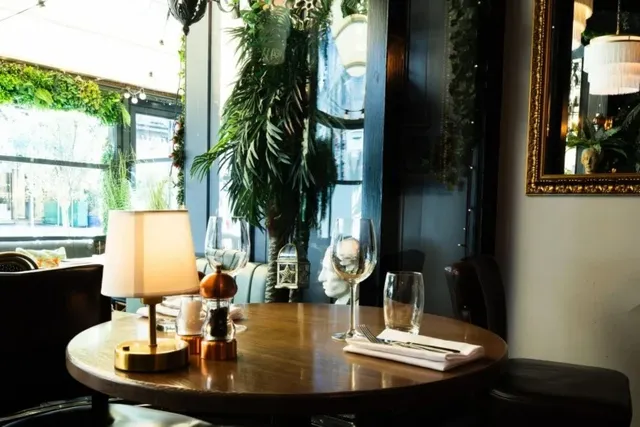
Dublin is a popular destination for business meetings, corporate celebrations, networking events, and professional dinners. Choosing the right venue can help create a comfortable environment where colleagues, clients, and business partners can connect over quality food. A successful corporate dining Dublin experience requires more than an attractive restaurant. Location, service, menu quality, privacy, atmosphere, technology, accessibility, and budget all play important roles. With careful planning, a business meal can become a productive and memorable part of a corporate event.
Why Corporate Dining Matters
Business dining provides an opportunity to build relationships outside the traditional office environment.
A relaxed meal can encourage conversation and help colleagues or clients connect on a more personal level. For important meetings, the right restaurant can also create a professional impression.
Corporate dining can be used for many occasions, including:
- Client meetings
- Executive dinners
- Business lunches
- Team celebrations
- Networking events
- Company milestones
- Employee appreciation
- Corporate presentations
- Recruitment meetings
The purpose of the event should guide your choice of restaurant.
Choosing a Suitable Location
Location is one of the first things to consider when organizing a corporate meal.
Dublin city centre offers convenient access to offices, hotels, public transportation, shopping areas, and cultural attractions.
A central location can make it easier for guests traveling from different parts of the city.
If clients are visiting Dublin from another country, consider choosing a venue close to their hotel or other planned activities.
For evening events, transportation should also be considered. Guests should have convenient and safe options for getting home.
The Importance of Professional Service
Service can strongly influence a corporate dining experience.
Business guests generally expect staff to be attentive, knowledgeable, and efficient without being intrusive.
Courses should arrive at a reasonable pace, and staff should understand the menu well enough to answer questions.
Professional service is especially important when clients or senior executives are attending.
Before booking, look for reviews that mention staff behavior, timing, food quality, and overall organization.
A restaurant with excellent food but slow or inconsistent service may not be suitable for an important business event.
Private Dining for Corporate Events
Private dining rooms can provide significant benefits for professional gatherings.
A dedicated room gives guests greater privacy and reduces distractions from other customers.
This can be useful when discussing confidential business information, negotiating agreements, or giving presentations.
Private spaces can also create a more focused environment for team meetings.
When considering a private room, ask about:
- Room capacity
- Table arrangement
- Privacy level
- Wi-Fi
- Power outlets
- Presentation equipment
- Lighting
- Audio facilities
- Minimum spending requirements
Make sure the room provides everything required for your event.
Business Lunches
Business lunches often need to balance good food with efficiency.
Guests may have meetings scheduled before or after lunch, so the restaurant should provide reliable service and reasonable meal times.
A set lunch menu can make ordering easier and help keep the event on schedule.
Choose a restaurant where the atmosphere is professional but not overly formal.
Comfortable seating and moderate noise levels can encourage productive conversation.
Corporate Dinner Events
Corporate dinners can be more relaxed than business lunches.
They can be used to celebrate company achievements, welcome clients, reward employees, or strengthen professional relationships.
For evening events, you can choose a more sophisticated restaurant with an extended menu and beverage options.
If speeches or presentations are planned, coordinate the schedule with restaurant staff.
This allows the kitchen and service team to plan courses around the event.
Selecting the Right Menu
Food is a central part of corporate dining.
Choose a menu with enough variety to suit different tastes.
Contemporary European, Irish, Mediterranean, and international cuisines can all work well for business events.
Set menus are often practical for larger groups because they simplify ordering and help control costs.
À la carte dining provides greater flexibility, particularly for smaller groups.
If clients are visiting from abroad, offering high-quality Irish ingredients can also provide a memorable introduction to local cuisine.
Dietary Requirements
Corporate events often include guests with different dietary requirements.
Before finalizing the menu, ask attendees about allergies, intolerances, and dietary preferences.
Many restaurants offer vegetarian and vegan choices, while some can accommodate gluten-free diets.
For serious allergies, communicate directly with the restaurant.
Ask staff about ingredients and preparation procedures rather than relying only on menu descriptions.
Providing dietary information in advance gives the kitchen time to prepare appropriate alternatives.
Drinks and Beverage Packages
Beverages can complement a corporate meal.
Restaurants may offer wine, beer, cocktails, soft drinks, coffee, tea, and non-alcoholic alternatives.
For business lunches, many hosts prefer to keep beverage options simple.
For corporate dinners, a carefully selected wine or beverage package can make the event feel more sophisticated.
Before choosing a package, ask what it includes and whether additional charges apply.
If alcohol is served, make sure guests have safe transportation options.
Creating the Right Atmosphere
Atmosphere matters greatly during business dining.
A restaurant should feel professional without making guests uncomfortable.
Consider lighting, music, décor, seating, and noise levels.
For client meetings, a quieter environment is usually preferable because it makes conversation easier.
For team celebrations, a livelier atmosphere may be more appropriate.
The atmosphere should match the purpose of the event.
Seating Arrangements
Seating can affect communication.
For smaller meetings, a round table can encourage everyone to participate equally.
A long table may work for formal dinners, but very large tables can make conversation difficult.
For presentations, make sure everyone can see and hear the speaker.
If your event involves multiple groups, consider whether separate tables or connected seating arrangements would work better.
Discuss your requirements with the restaurant before confirming the booking.
Corporate Dining for Client Relationships
A well-planned dinner can help strengthen client relationships.
Choose a restaurant that reflects the importance of the meeting without appearing unnecessarily extravagant.
Consider your client's preferences where possible.
If you know their favorite cuisine or dietary requirements, choosing an appropriate menu can demonstrate attention to detail.
Avoid making the evening feel like a sales presentation. The purpose of business dining is often to create a comfortable environment for conversation and relationship building.
Networking Events
Networking dinners require a different approach.
Guests should be able to move around and communicate with multiple people.
A restaurant with flexible seating or private event space can work well.
Sharing menus or small plates can encourage interaction because guests can discuss and sample different dishes.
If you are organizing a networking event, consider providing name badges or a simple introduction schedule.
The restaurant should support the social purpose of the event rather than making interaction difficult.
Corporate Celebrations
Corporate dining is not limited to formal meetings.
Restaurants can also provide excellent settings for:
- Staff appreciation dinners
- Retirement celebrations
- Team achievements
- Company anniversaries
- Holiday gatherings
- Project completion events
For these occasions, you can choose a more relaxed atmosphere.
Private dining rooms can provide a dedicated space for speeches, awards, and photographs.
Budget Planning
Corporate events require clear budget management.
Food prices are only one part of the total cost.
Consider drinks, service charges, room hire, deposits, equipment, and additional courses.
Ask the restaurant for a complete quotation before confirming the event.
If you have a fixed budget, communicate it clearly. The venue may be able to recommend a suitable menu or package.
Set menus can make expenses easier to estimate.
You should also decide how payment will be handled. Corporate accounts may require an invoice or other arrangements, so confirm this in advance.
Booking the Restaurant
Popular restaurants and private dining rooms can become busy, especially during weekdays and major corporate seasons.
Book early for important events.
When contacting the restaurant, provide:
- Event date
- Time
- Number of guests
- Event purpose
- Menu preferences
- Dietary requirements
- Seating arrangements
- Private room requirements
- Technology needs
- Beverage preferences
Confirm all details before the event.
It is also useful to reconfirm the guest count shortly before the booking.
How to Evaluate a Restaurant
When searching for corporate dining Dublin, evaluate the restaurant according to your business requirements.
Look at food quality, service, atmosphere, location, menu flexibility, privacy, accessibility, and pricing.
Recent reviews can provide useful insights into how restaurants handle larger groups and professional events.
However, online reviews should not be your only source of information.
Contact the restaurant directly and ask specific questions about your event.
If possible, visiting the venue beforehand can help you evaluate the room and atmosphere.
Common Corporate Dining Mistakes
One common mistake is selecting a restaurant without considering noise levels.
Another is failing to confirm dietary requirements before the event.
It is also easy to underestimate costs by looking only at menu prices.
Avoid these issues by asking detailed questions and obtaining a complete quotation.
Do not overcomplicate the schedule either. Give guests enough time to enjoy their food and communicate naturally.
Making the Event Successful
Preparation can significantly improve a corporate dining experience.
Confirm the guest list and communicate dietary requirements early.
Share the restaurant location and schedule with attendees.
If presentations or speeches are planned, coordinate their timing with restaurant staff.
Keep the event professional but relaxed.
Good corporate dining should give guests enough structure to stay organized while allowing natural conversation to develop.
Final Thoughts
Dublin offers many opportunities for successful corporate dining, from efficient business lunches to sophisticated client dinners and private corporate celebrations.
The ideal corporate dining Dublin venue should provide a strong combination of professional service, quality food, convenient location, comfortable seating, appropriate atmosphere, and flexible dining options.
When choosing a restaurant, consider your event's purpose and guest expectations. Private dining rooms can provide additional privacy, while set menus can simplify ordering and budgeting. Dietary requirements, beverage arrangements, transportation, and technology needs should also be addressed before the event.
A successful corporate meal is about more than food. It creates an environment where people can communicate, build relationships, celebrate achievements, and develop professional connections. With thoughtful planning and the right venue, a corporate dining experience in Dublin can leave a positive impression on clients, colleagues, and business partners while making the event enjoyable for everyone involved.
Business details (reproduce exactly):
Marco Pierre White Steakhouse & Grill
51 Dawson Street, Dublin 2, D02 TV77, Ireland
+353 1 677 1155
Mon–Wed 12:30–21:30 · Thu–Sat 12:30–22:00 · Sun & Bank Hol 13:00–21:30