

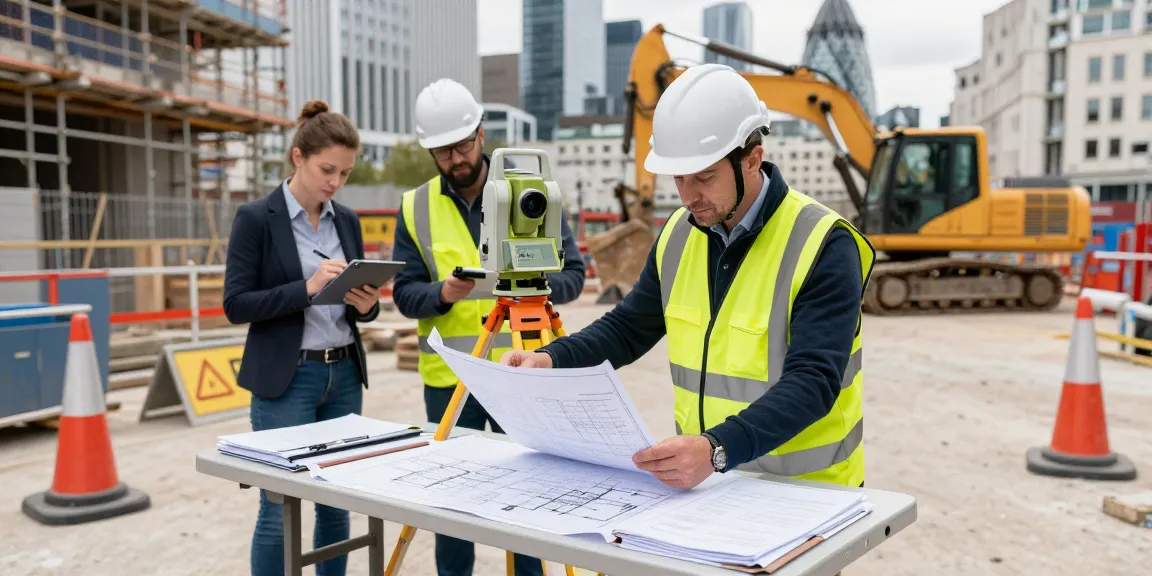
Understanding Measured Building Surveys in the UK
Measured building surveys are essential tools in the construction and architectural sectors, providing critical data that inform decisions, designs, and regulatory compliance. These surveys capture precise measurements and details of existing structures, allowing architects, engineers, and builders to plan renovations, expansions, or new builds with confidence. In an ever-evolving industry, staying abreast of developments and best practices in Measured building surveys uk is crucial for success.
What Are Measured Building Surveys?
Measured building surveys involve detailed documentation of a building’s dimensions, layouts, and features. The survey process typically includes the creation of floor plans, elevations, and sections. By employing advanced surveying technology such as laser scanning and 3D modelling, surveyors can produce highly accurate representations of a property. This data is vital for various applications, from historical conservation to modern architectural developments.
Importance of Measured Building Surveys UK
In the UK, measured building surveys hold significant importance across multiple domains. For developers, these surveys provide the baseline data needed to initiate projects without setbacks due to unforeseen complications. For architects, they create a clear understanding of the existing conditions, allowing for better design decisions. Furthermore, they are crucial for compliance with regulations, helping to avoid delays and legal issues.
How Measured Building Surveys Differ Across Sectors
The application and outcomes of measured building surveys can vary significantly depending on the sector. In residential projects, surveys focus on optimizing space and enhancing aesthetics, while in commercial settings, they address functionality and compliance. Historical buildings require a more nuanced approach, as the preservation of architectural heritage must be respected alongside modern building codes.
Key Benefits of Measured Building Surveys UK
The benefits of engaging with measured building surveys are manifold. By leveraging the expertise of surveyors, stakeholders can achieve clarity and confidence in their projects.
Enhanced Project Accuracy and Planning
Accurate data translates to effective planning. Measured building surveys enable project teams to capture minute details that might be overlooked during initial assessments. This precision aids in cost estimation, resource allocation, and timeline planning, reducing the likelihood of costly overruns and delays.
Regulatory Compliance and Risk Mitigation
Modern construction must adhere to a myriad of regulations. Measured building surveys ensure compliance by providing detailed insights that facilitate the necessary permits and approvals. Moreover, they help identify risks early in the project cycle, allowing for timely mitigation measures to be put in place.
Cost Savings in Construction and Design
By reducing errors and streamlining processes, measured building surveys can lead to significant cost savings. The initial investment in a thorough survey is offset by the prevention of reworks and unforeseen expenditures during construction. Furthermore, having accurate measurements enhances collaboration among teams, promoting efficiency and reducing project durations.
Best Practices for Conducting Measured Building Surveys
Conducting a successful measured building survey requires careful planning and execution to achieve the desired outcomes.
Choosing the Right Survey Equipment and Technology
Advancements in surveying equipment, such as total stations and 3D laser scanners, play a pivotal role in enhancing measurement accuracy. Selecting the appropriate technology based on the project’s requirements and the building’s characteristics is crucial. Additionally, software used for data analysis and modelling should be optimally configured to handle the survey data efficiently.
Collaboration with Architects and Engineers
Effective collaboration among surveyors, architects, and engineers leads to better project outcomes. Early engagement of surveyors in the design phase helps ensure that all measurements align with the architectural intent. Regular communication and data sharing among stakeholders foster an environment where challenges can be addressed promptly.
Maintaining Accurate Documentation and Reports
Meticulous documentation is essential for the integrity of measured building surveys. Detailed reports, including methodologies, data analyses, and photographs, should be maintained for reference throughout the project lifecycle. This documentation not only supports current projects but also serves as a valuable resource for future developments.
Challenges and Solutions in Measured Building Surveys UK
While measured building surveys provide substantial benefits, they are not without challenges. Identifying potential issues early on can lead to proactive solutions.
Common Misconceptions About Measured Building Surveys
One common misconception is that measured building surveys are only necessary for large-scale projects. In reality, even small renovations can benefit from accurate measurements, preventing costly errors and redesigns. Educating clients and stakeholders about the value of these surveys is essential to garnering support.
Dealing with Site Accessibility Issues
Accessibility can be a significant challenge when conducting surveys, particularly in dense urban environments. Surveyors must be prepared to adapt their techniques and equipment to overcome physical barriers. Employing tools such as drones for aerial surveys or remote sensing technology can mitigate these issues.
Ensuring Data Security and Privacy Compliance
With the increasing use of technology, data security has become a paramount concern. Surveyors must comply with regulations such as GDPR, ensuring that any personal data collected during surveys is protected. Implementing robust data handling protocols and securing consent from property owners is imperative.
Future Trends in Measured Building Surveys for 2026
As the construction and surveying industries evolve, several trends are set to shape the future of measured building surveys.
Integration of AI and Machine Learning in Surveys
The adoption of artificial intelligence (AI) and machine learning in surveying processes is gaining momentum. These technologies can analyse large datasets more efficiently, identifying patterns and optimizing survey processes. This integration promises to enhance accuracy and reduce human error, leading to superior project outcomes.
Emphasis on Sustainable Practices in Construction
As sustainability becomes a priority across industries, measured building surveys will increasingly focus on eco-friendly practices. Surveys will aid in assessing the environmental impact of existing structures and inform decisions regarding energy-efficient renovations and developments.
How Technology Will Reshape the Surveying Industry
Emerging technologies such as augmented reality (AR) and virtual reality (VR) are set to transform the surveying landscape. These tools will allow stakeholders to visualize projects in 3D before construction begins, enabling more informed decision-making and fostering collaboration among teams.
What is the role of technology in measured building surveys UK?
Technology plays a crucial role in enhancing the precision and efficiency of measured building surveys. Cutting-edge tools allow surveyors to capture data swiftly and accurately, ensuring high-quality outputs that meet modern standards.
How can measured building surveys benefit residential projects?
For residential projects, measured building surveys provide a solid foundation for design and planning, ensuring that renovations or new constructions are aligned with existing structures and regulations.
What are the regulatory requirements for building surveys UK?
Regulatory requirements vary depending on the project’s scale and location, but generally include compliance with local planning regulations, building codes, and safety standards. Regular updates to these regulations necessitate that surveyors stay informed to ensure compliance.
How to choose the right measured building surveying service?
Choosing the right surveying service should involve assessing the firm’s credentials, industry experience, and technological capabilities. Gathering client testimonials and case studies can also provide valuable insights into their capabilities.
What trends should we expect in building surveying by 2026?
By 2026, we can expect to see an increased reliance on technology, enhanced focus on sustainability, and a greater emphasis on collaborative practices in the surveying sector. Keeping abreast of these trends will be vital for professionals in the industry.
